Why choosing the right installer matters
Choosing the right air con installer in Parramatta NSW is more than a one-time purchase decision. A correct installation affects system efficiency, running costs, indoor comfort, and equipment lifespan. Poor installation can lead to frequent air conditioning repair, voided warranties, and higher energy bills. In 2025, with stricter refrigerant rules and improved energy-efficiency expectations, selecting a knowledgeable, compliant installer is essential.
Local considerations for Parramatta NSW
Parramatta has a mix of older homes, modern apartments and commercial buildings. Local climate and building types influence the best system and installation method. Key Parramatta-specific points:
- Strata and council requirements: apartment installations often require strata approval; installations affecting building façade may need City of Parramatta Council consent. Urban heat and efficiency: higher summer temperatures increase the importance of proper sizing and efficient equipment to minimise running costs. Access and logistics: inner-city properties may have limited roof or balcony access so the installer must be experienced with constrained installations.
Essential qualifications and licences to verify
In NSW, not all tradespeople can legally install or service air conditioning. Verify the following before hiring:
Electrical licence or engagement of a licensed electrician for any mains electrical work (required by NSW law). Refrigerant handling licence issued under national regulations (ARC-accredited training or equivalent) for handling refrigerants such as R32 or R410A. Business and contractor licences where applicable — check NSW Fair Trading for any required contractor registration for refrigeration or HVAC work.Why refrigerant licences matter
Since Australia implements the Kigali Amendment phase-down and tighter HFC controls, installers must be certified to handle modern refrigerants and adhere to reporting and leak-management rules. A licensed installer reduces the risk of illegal refrigerant use and environmental penalties.
Technical skills and services to expect
An experienced installer provides a full service chain: site assessment, system sizing, equipment selection, quality installation, commissioning, and aftercare including air conditioner maintenance and air conditioning repair if needed. When comparing contractors, confirm they offer:
- Accurate heat-load or room-by-room sizing (not generic “rule-of-thumb” quotes) Knowledge of energy ratings, MEPS compliance and current refrigerants (e.g., R32 adoption in many 2025 models) Correct electrical integration, isolators, and safety switches Commissioning documentation and testing (airflow, refrigerant charge, drain integrity) Clear warranty documentation and post-install service options
System selection tips
Installers should guide you through selecting the right technology for your home or business:
Split systems vs ducted systems
Split systems suit individual rooms or zoned comfort, while ducted systems serve whole homes or larger commercial spaces. Proper duct design and insulation are crucial for ducted systems to avoid efficiency losses.
Energy efficiency and ratings
Look for the Australian Energy Rating label and higher star ratings for https://penzu.com/p/fcff0600efef8d4d better seasonal performance. Discuss Seasonal Energy Efficiency Ratio (SEER) or Cooling Capacity with your installer. In 2025, many manufacturers promote inverter-driven compressors and models optimised for Australian climates — these typically have better part-load performance.
Refrigerant type
Ask what refrigerant the system uses. R32 is common for residential split systems in 2025 due to lower global-warming potential than older HFCs, but installers must be trained to handle it. For larger systems, low-GWP alternatives and leak-detection protocols may apply.
How to evaluate quotes and contracts
Getting multiple quotes helps you compare scope, not just price. A comprehensive quote should include:
- Itemised equipment (brand, model, capacity, energy rating) Detailed scope of work (locations of indoor and outdoor units, pipe routes, mounting methods) Electrical work breakdown and any additional components (switches, isolators, circuit upgrades) Materials, labour hours, and timeline Commissioning tests and documentation Warranty terms for equipment and installation workmanship
Questions to ask prospective installers
Use the following practical questions during selection:
Can you show licences and insurance documents (public liability, workers' compensation)? Do you provide a written heat-load calculation and equipment selection rationale? Who will perform electrical connections—your team or a subcontractor? Will the electrician be licensed? What refrigerant is used and how do you manage leaks and disposal of old refrigerants? What warranty covers parts and labour, and is there a workmanship warranty? Do you offer ongoing air conditioning service plans and what do they include? Can you provide recent references or examples of local installations in Parramatta?Red flags to avoid
Be cautious if you see any of the following:

- Oral-only quotes with no written scope or warranty Prices significantly lower than competitors without clear reasons Technicians unwilling or unable to show licences or proof of insurance No commissioning tests or refusal to perform a load calculation
After-install support, maintenance and repairs
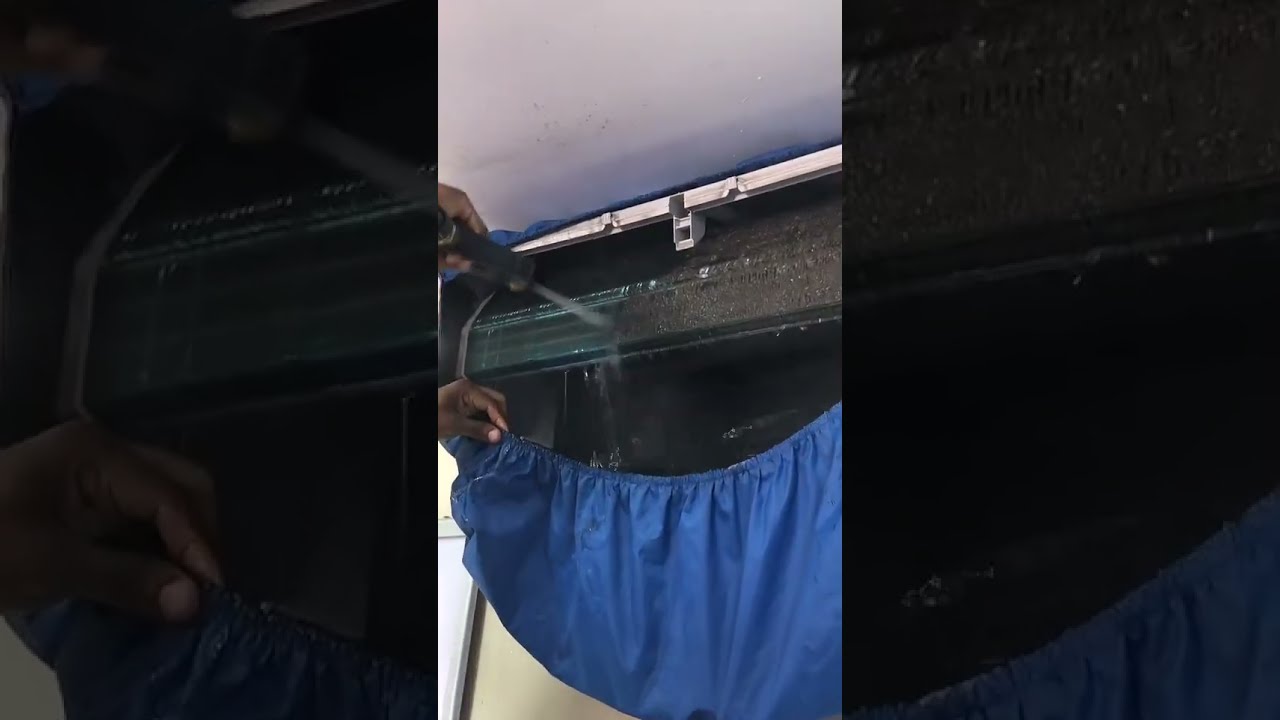
Even a perfectly installed system requires regular air conditioner maintenance to operate efficiently. A reputable installer will offer:
- Routine service options (recommended at least annually, more often for heavy use or commercial settings) Filter cleaning and replacement guidance, coil cleaning, drainage checks and refrigerant pressure checks Prompt air conditioning repair response times and emergency service for breakdowns
Service contracts can include scheduled visits, priority call-outs, discounted labour rates and record-keeping for warranty compliance. Keep commissioning reports and service records to support warranty claims and resale value.
Strata, permits and building access in Parramatta
If you live in an apartment in Parramatta, consult your strata manager early. Many strata schemes require formal approval for external units, roof access, or visible outdoor equipment. For houses, check whether installation affects building envelopes or heritage listings — City of Parramatta Council can advise on Council approvals when alterations affect external appearance or structure.
How to make the final decision
Weigh technical competence, documented compliance, warranty terms and local experience. Price matters, but long-term running cost and reliability are equally important. A useful decision process:

Final checklist before installation
Before work begins, ensure you have the following in writing:
- Fully itemised quote and installation timeline Licences and insurance details from the installer Commissioning and handover plan including system manuals and warranty certificates Agreement on access, noise considerations, and clean-up responsibilities Service plan options and emergency contact details for future air conditioning repair
Conclusion
Choosing the right air con installer in Parramatta in 2025 involves verifying licences, understanding energy ratings and refrigerant choices, checking local strata and council requirements, and prioritising installers who provide thorough sizing, commissioning and ongoing air conditioning service. Proper selection reduces the risk of future air conditioning repair, maximises comfort and energy savings, and ensures warranty protection. Use the checklists and questions in this guide to make a confident, informed choice.